
Tangie (Cannabis Strain)
Tangie leans hard into citrus expression, pairing California Orange and Skunk-1 genetics with a profile that often lands bright, sweet, and unmistakably orange-driven. Its sativa-leaning character is matched by lively terpene expression and a growth pattern that can stretch quickly once bloom begins.
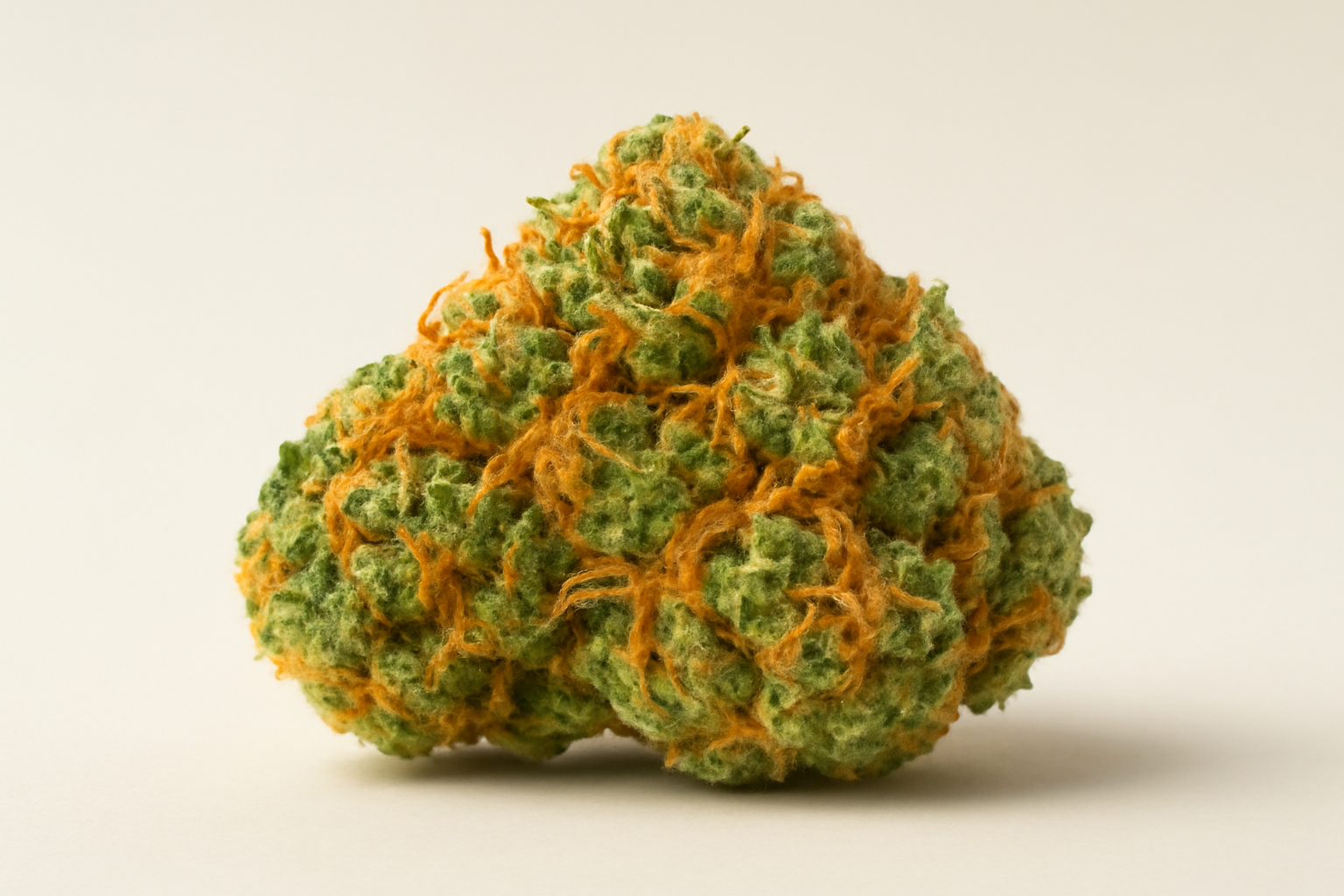
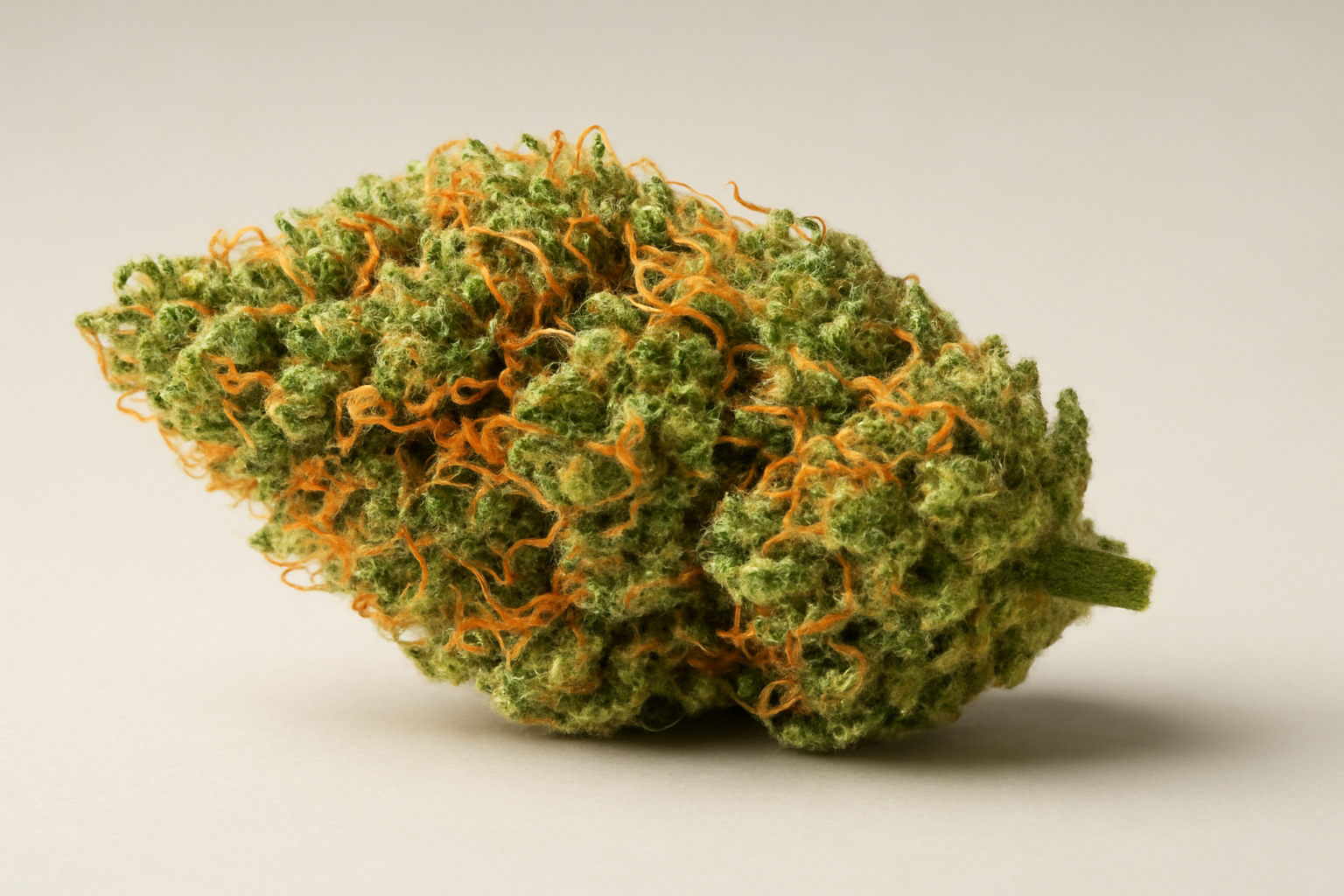
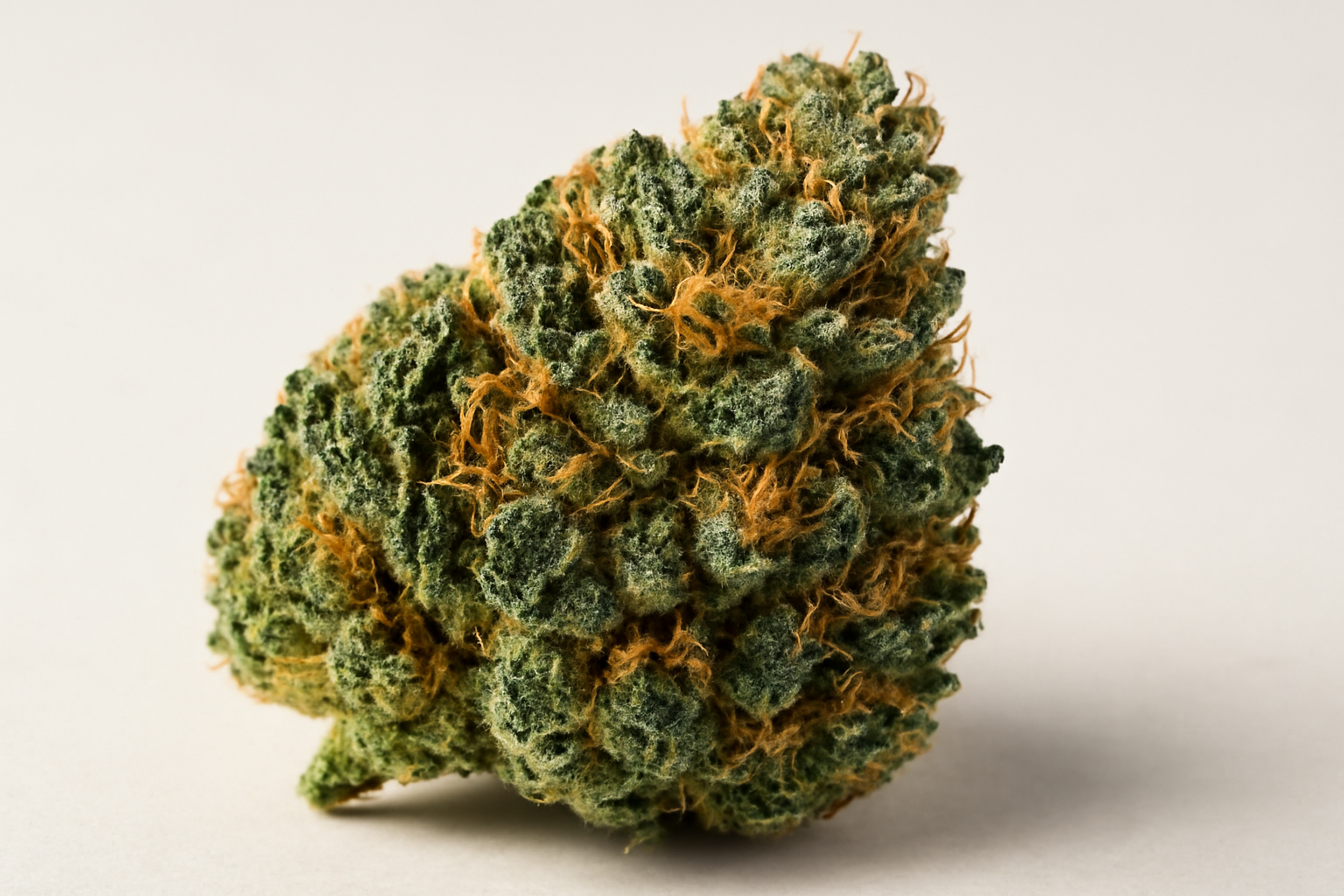
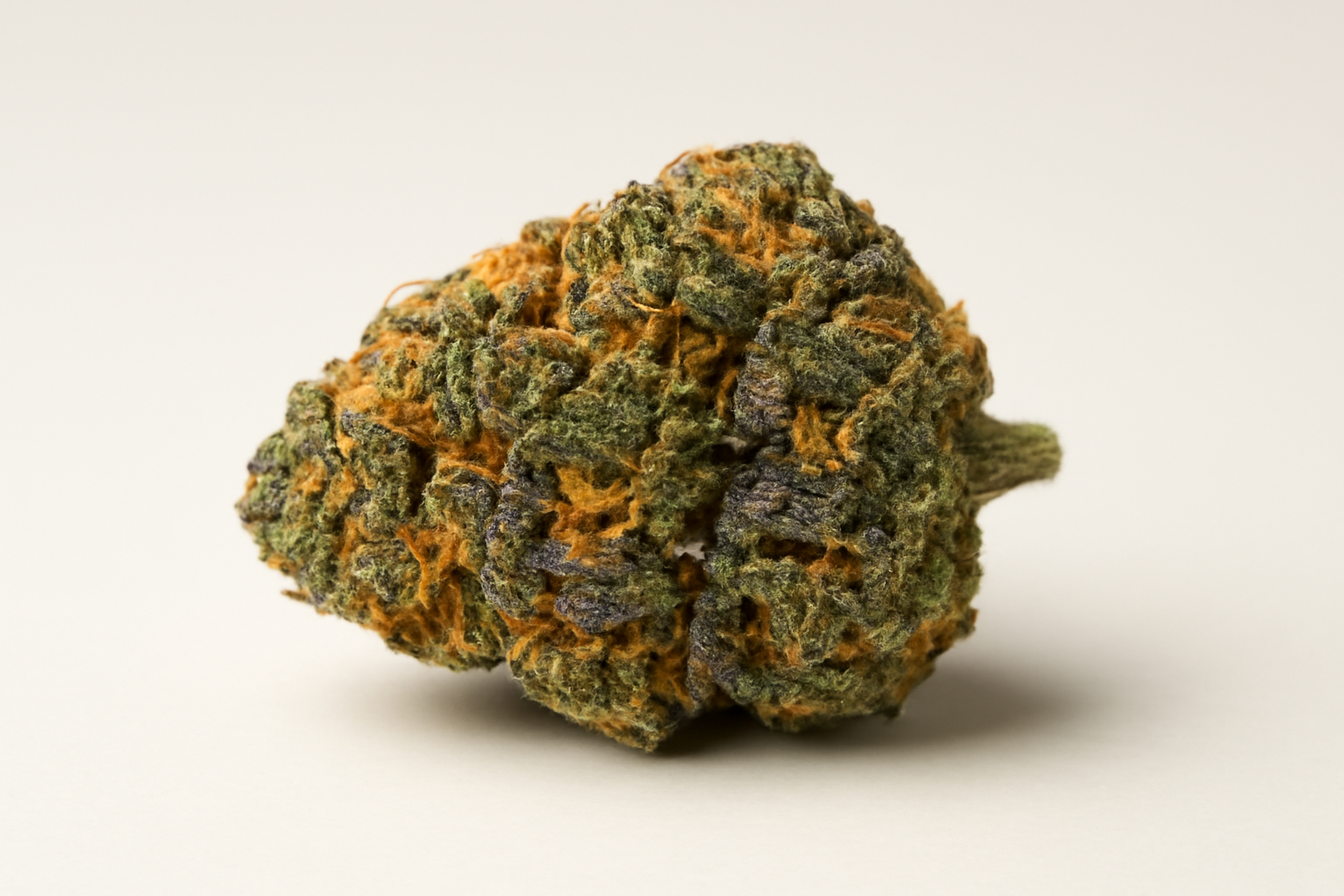
In flower, Tangie usually presents a vivid, resinous look with orange pistils, lime-green buds, and a frosty trichome layer that gives the plant a polished finish. The aroma becomes especially pronounced as harvest approaches, and the strain’s effect style is often described as upbeat, clear, and better suited to daytime use than heavy unwinding.
Tangie Strain Information
| Strain Type | Sativa-leaning Hybrid |
| Genetics | California Orange x Skunk-1 |
| THC Content | 18% – 22% |
| CBD Content | 0% – 1% |
| Original Breeder | DNA Genetics |
| Flowering Time | 9 – 10 weeks |
Appearance
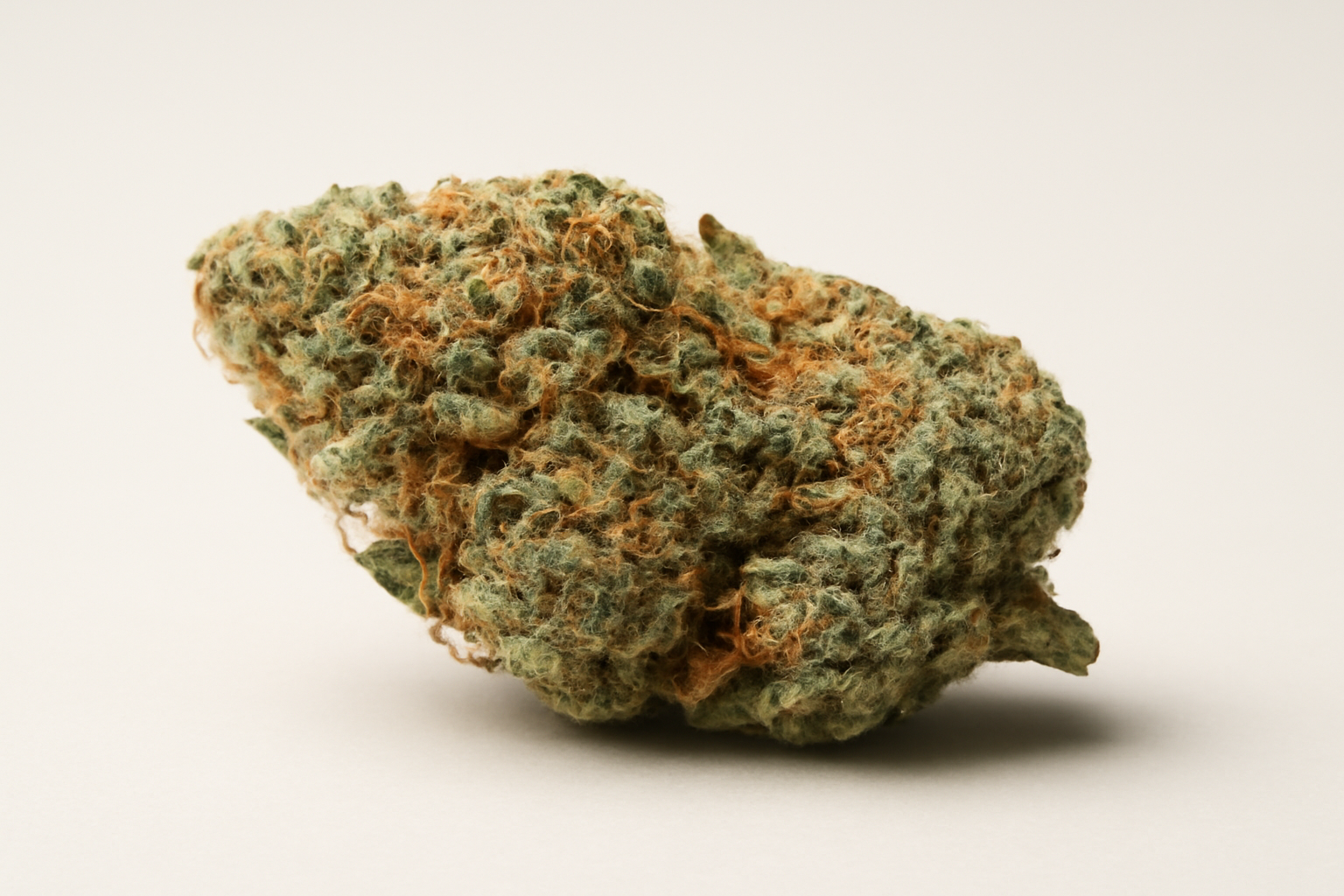
Tangie typically produces medium-density buds with a tapered, conical shape and a lively mix of lime and forest green. Bright orange pistils thread through the flower, while a generous dusting of trichomes gives the surface a frosted, almost sparkling look. Some phenotypes lean a little looser and more airy, while others stack tighter and show deeper citrus-toned accents near the calyxes.
Aroma & Flavor Profile
Tangie opens with a vivid tangerine-and-orange-peel nose that can come across as fresh, sweet, and slightly zesty. Underneath that citrus burst, the Skunk-1 side often adds a pungent edge and a faint herbal spice, keeping the profile from turning overly sugary. On the palate, the flavor usually tracks closely to the aroma, with candied mandarin up front and a clean, lingering citrus finish.
- Tangerine zest
- Sweet citrus
- Skunky spice
- Orange peel
Effects & Use-Cases (Reported)
Tangie is often described as starting with a quick mental lift that feels bright rather than heavy, which makes it a common choice for daytime sessions. The experience tends to move toward focus, creativity, and easy conversation, with intensity that can build gradually rather than hit all at once. Many users seek it out when they want something social or task-friendly without a sleepy finish.
- Uplifting onset
- Clear-headed
- Creative
- Social
Cultivation Notes
Tangie usually stretches noticeably in early flower, so indoor growers often use topping, training, or screen methods to manage height. It tends to reward strong light, good airflow, and careful humidity control, especially as the citrus-heavy resin production builds late in bloom. The flowering window generally lands around 9 to 10 weeks, with outdoor harvests favoring warm, dry conditions. Phenotype expression can vary, but the best plants often show vigorous branching and a strong aromatic finish.
- Environment: Indoor / Outdoor
- Flowering Time: 9 – 10 weeks
- Growth Pattern: Vigorous stretch with branching that benefits from training
- Difficulty: Moderate
Genetic Lineage
Tangie is most commonly documented as a cross of California Orange and Skunk-1. California Orange is associated with sweet citrus character and a classic West Coast profile, while Skunk-1 contributes structure, vigor, and the sharper edge underneath the fruit. The combination helped shape Tangie’s signature orange-forward expression and its bright, upbeat reputation in modern cannabis circles.
Frequently Asked Questions
What does Tangie taste like?
Tangie usually tastes like fresh mandarin, orange peel, and sweet citrus candy, with a light skunky finish underneath. The flavor closely follows the aroma.
Is Tangie more of a daytime or nighttime strain?
Tangie is generally better suited to daytime or early-evening use because it is commonly reported as uplifting and mentally bright rather than sedating.
How long does Tangie take to flower?
Most Tangie grows finish in about 9 to 10 weeks of flowering, depending on phenotype and growing conditions.
What kind of grower might prefer Tangie?
Growers who like aromatic, citrus-heavy plants with strong stretch and a lively sativa-leaning structure often gravitate toward Tangie. It responds well to training and airflow management.

Leave A Comment