
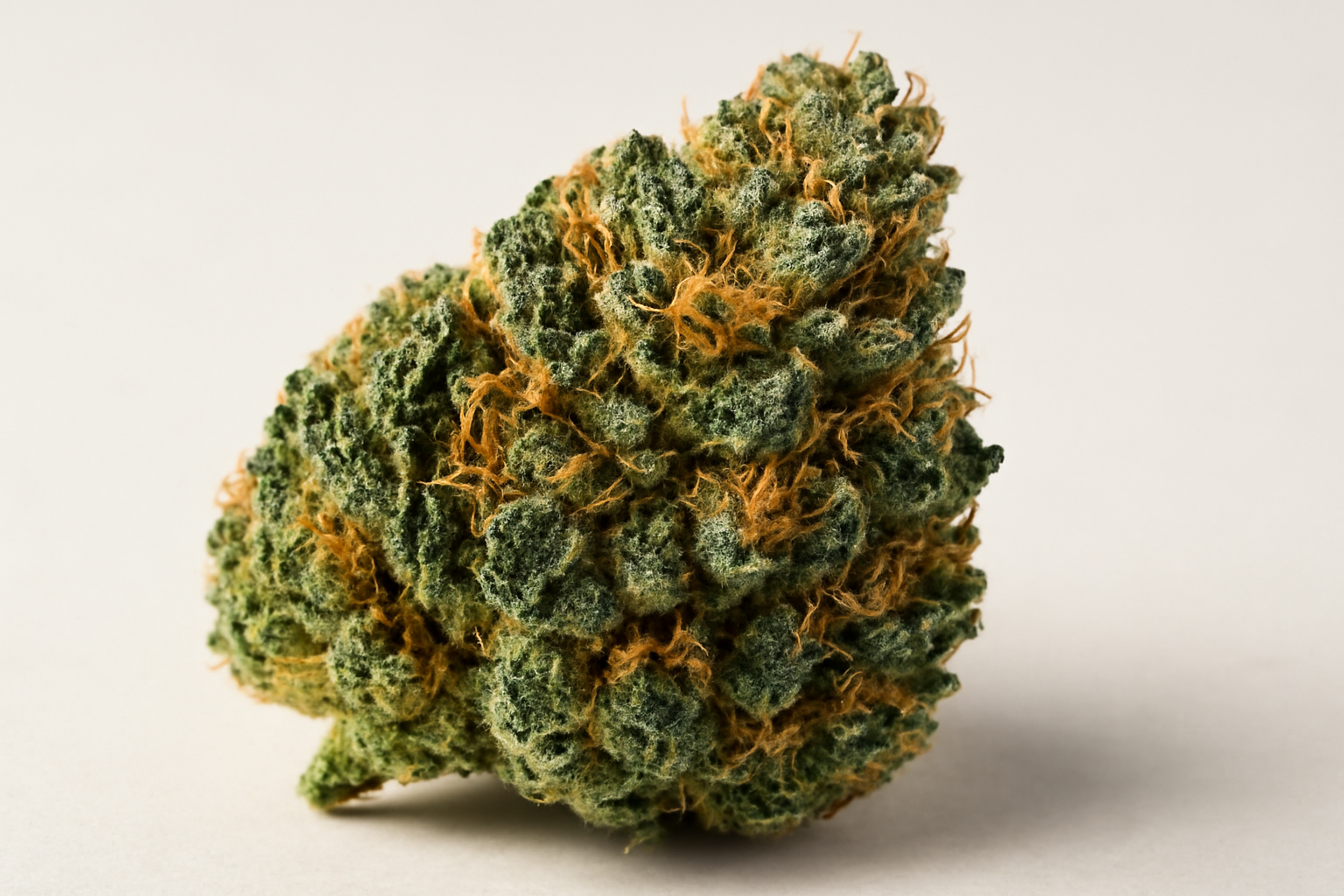
Headband (Cannabis Strain)
Headband brings together OG Kush and Sour Diesel genetics in a way that gives the strain its unmistakable fuel-forward identity. The aroma leans sharp and gassy, yet the flower usually carries enough citrus and earthy depth to keep it from feeling one-dimensional.
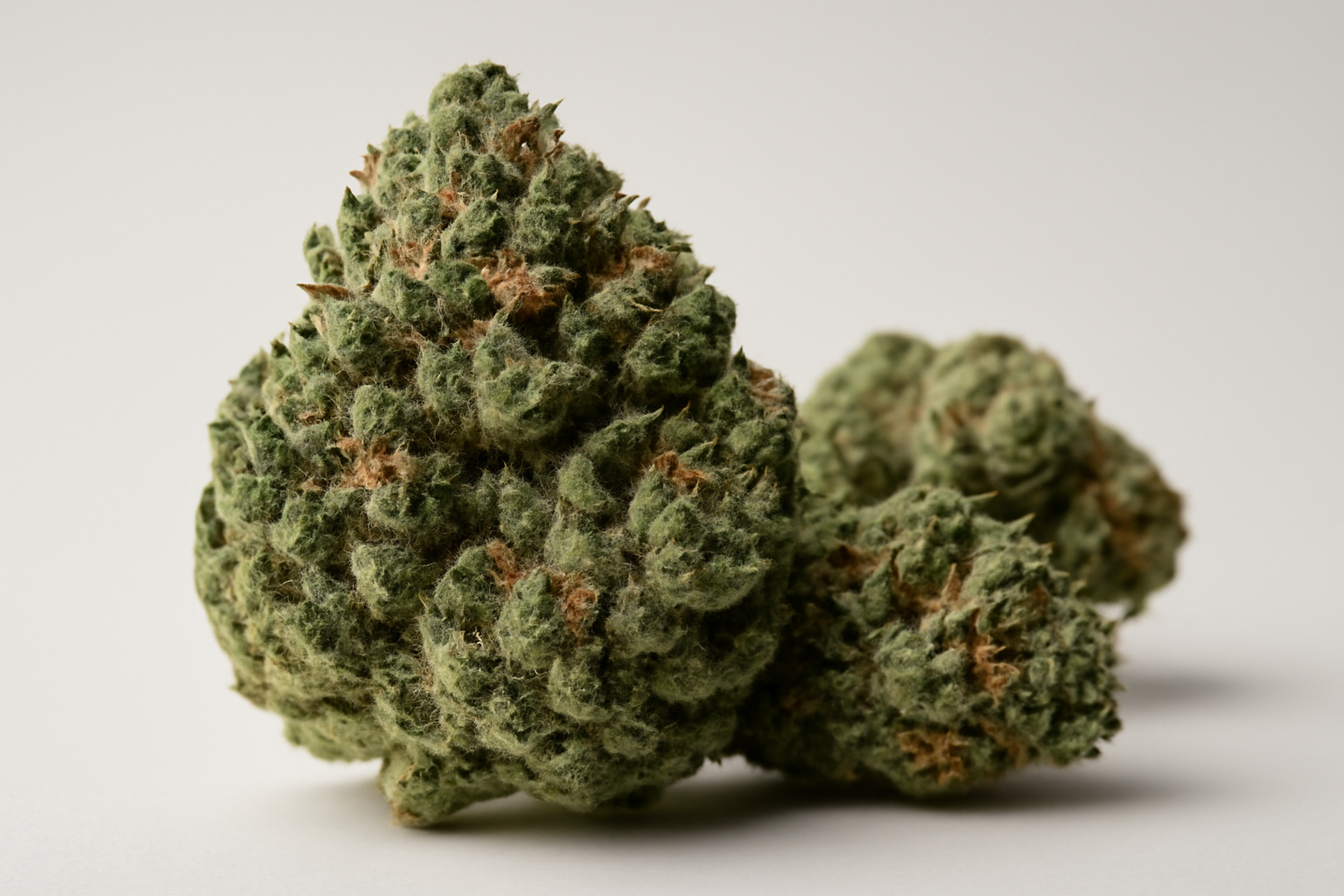
In the jar, it often presents as a resin-heavy hybrid with a slow-building effect style that many smokers describe as more cerebral at first, then progressively weightier. The buds are typically dense and frosted, with enough phenotype variation to show either tight OG structure or a slightly airier Diesel-influenced shape.
Headband Strain Information
| Strain Type | Hybrid (Sativa-leaning) |
| Genetics | OG Kush x Sour Diesel |
| THC Content | 18% – 24% |
| CBD Content | 0% – 1% |
| Original Breeder | DNA Genetics |
| Flowering Time | 9 – 10 weeks |
Appearance
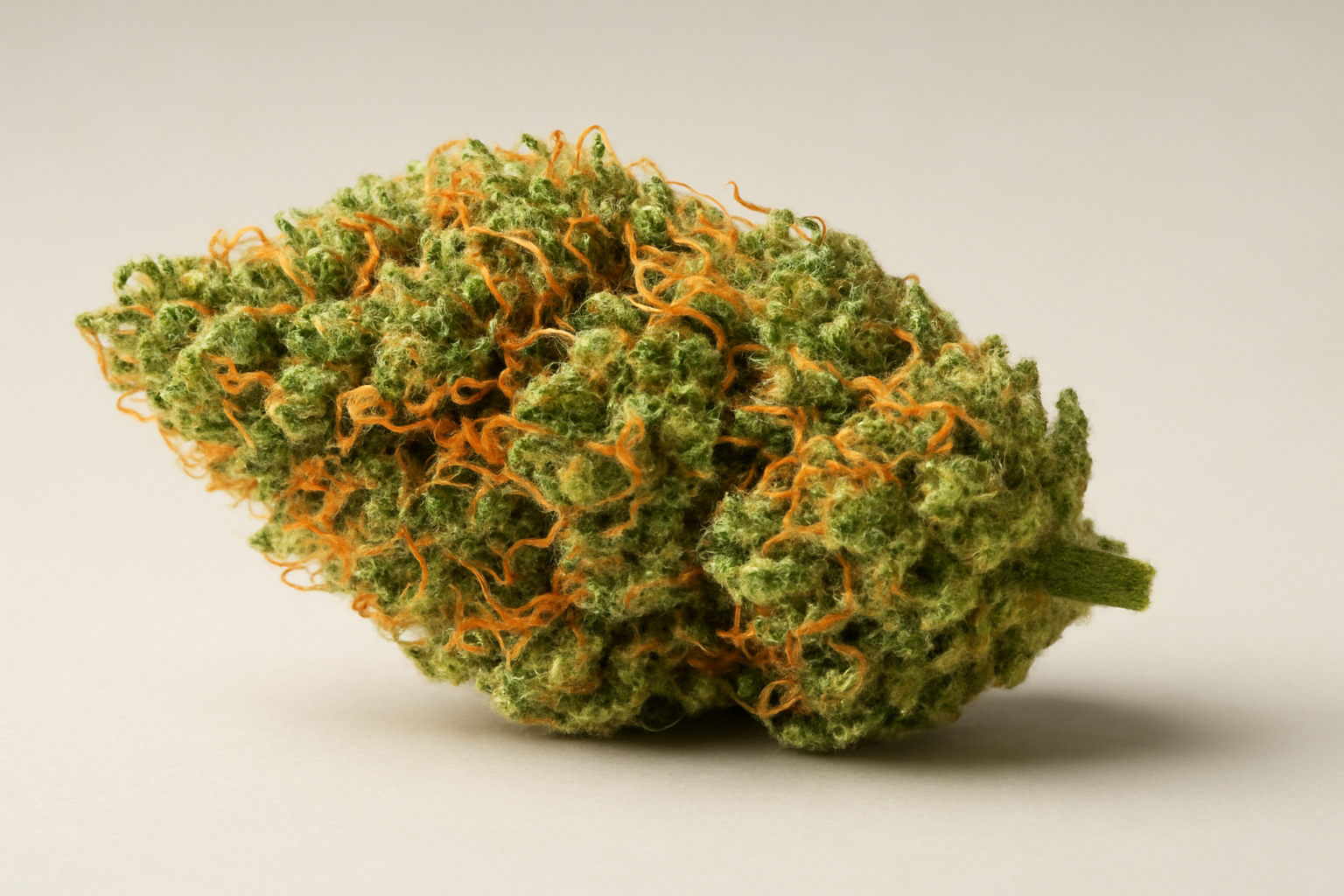
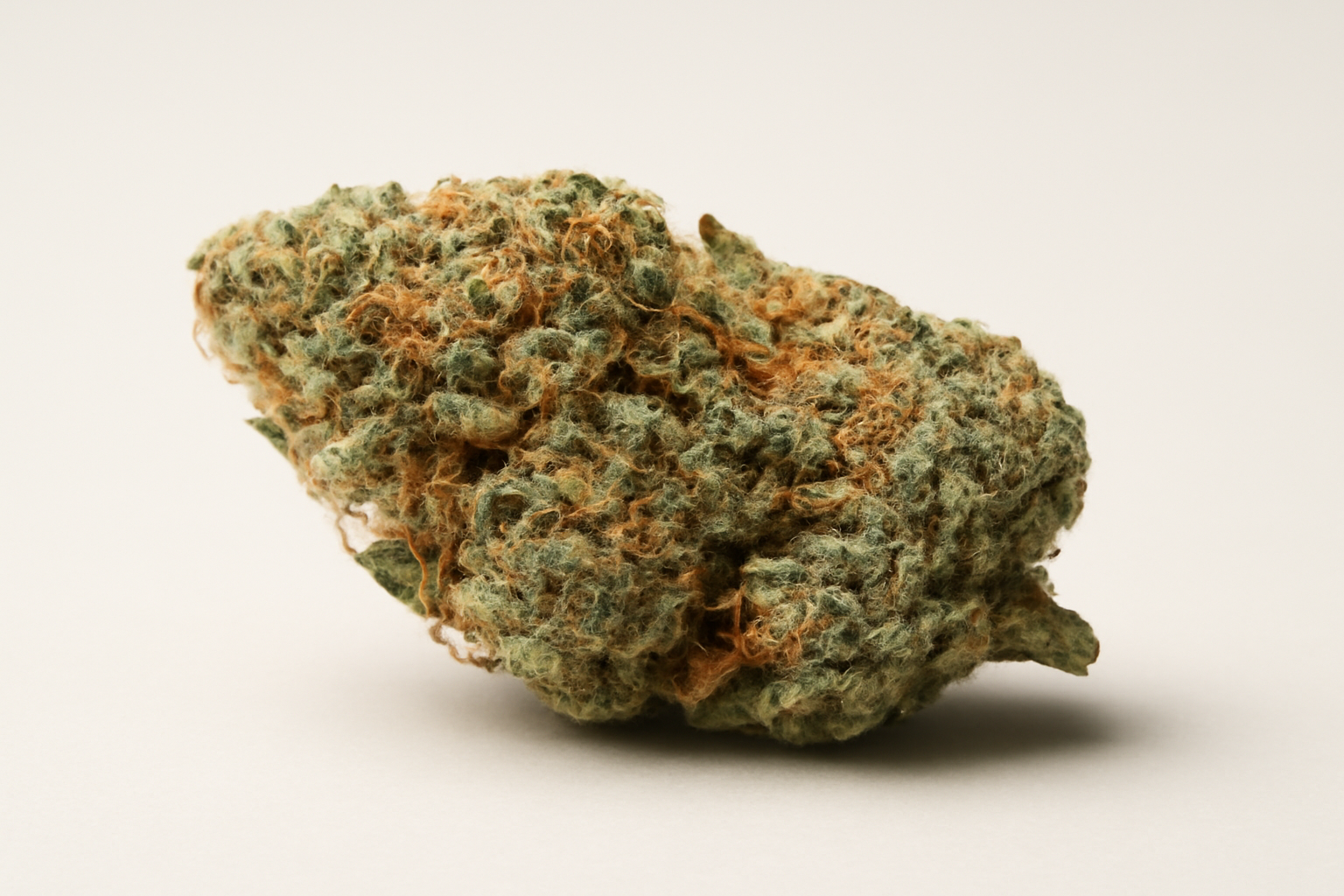
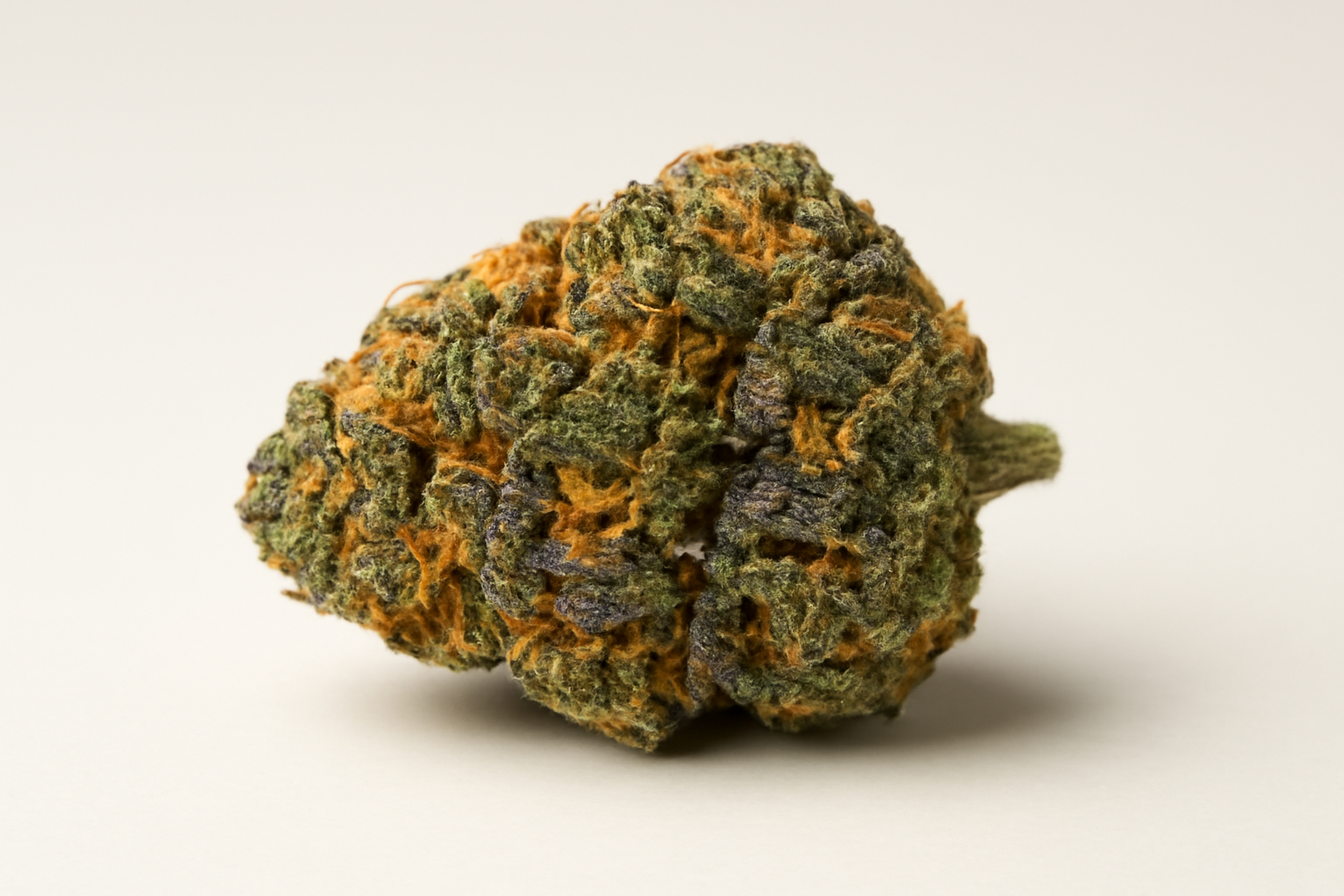
Headband typically forms medium to large buds with a chunky, slightly elongated structure that reflects its OG heritage. The flowers often show deep forest-green tones with occasional purple shading, bright orange pistils, and a thick frost of trichomes that gives the buds a sanded finish. Phenotypes can lean tighter and denser or a little looser and more spear-shaped depending on the cut.
Aroma & Flavor Profile
The nose on Headband usually opens with loud diesel and skunky fuel, then settles into lemon peel, pine, and damp earth. On the palate, the smoke often follows the same arc: sharp on the inhale, herbal and spicy in the middle, with a lingering gassy finish that hangs around after exhale.
- diesel fuel
- lemon zest
- earthy pine
- herbal spice
Effects & Use-Cases (Reported)
Reported effects usually begin with a gentle pressure behind the eyes or forehead, which is where the strain gets its name from. The experience often turns mentally active before the body settles in, making Headband a fit for slow afternoons, creative focus, or unwinding without an immediate knockout effect. At higher potency, the finish can feel heavier and more sedating.
- creeping cerebral onset
- uplifted but weighty mood
- body relaxation that builds gradually
- best suited to low-key daytime or evening use
Cultivation Notes
Headband usually prefers a steady indoor environment with good airflow, since the flowers can hold resin heavily and become susceptible to moisture issues late in bloom. It tends to stretch moderately after the flip, so topping or early training helps control canopy height and improve light penetration. Flowering commonly runs about 9 to 10 weeks, and the plant generally responds well to consistent feeding rather than aggressive swings. Outdoor growers typically need a warm, dry finish to keep the dense flowers in clean condition.
- Environment: Indoor / Outdoor
- Flowering Time: 9 – 10 weeks
- Growth Pattern: Moderate stretch with dense, resinous buds
- Difficulty: Moderate
Genetic Lineage
Headband is generally documented as the cross of OG Kush and Sour Diesel, two of the most influential cultivars in modern cannabis. OG Kush is often credited with the heavier body feel, greasy fuel notes, and compact bud structure, while Sour Diesel contributes the sharper citrus-diesel aroma and more energetic top-end character. The result is a strain that sits between mental lift and physical ease without losing its pungent identity.
Frequently Asked Questions
What does Headband taste like?
Headband usually tastes like fuel, lemon peel, earthy pine, and a touch of herbal spice. The exhale often leaves a lingering diesel note that defines the strain.
How strong is Headband?
Headband is often listed in the 18% to 24% THC range, though exact potency depends on the cut and grow conditions. It is generally considered a potent strain rather than a mild one.
Is Headband more uplifting or relaxing?
It is commonly described as both, with an initial heady lift that gradually gives way to deeper body relaxation. Many people experience it as mentally active early on and heavier later.
How long does Headband take to flower?
Headband usually flowers in about 9 to 10 weeks. Dense buds and strong resin production make airflow and humidity control especially important in late bloom.

Leave A Comment