

Lemon Tree (Cannabis Strain)
Led by a Sour Diesel x Lemon Skunk lineage, Lemon Tree brings a sharp citrus profile that lands with more bite than sweetness. The strain’s flavor identity leans toward lemon zest and fuel, while the effect style is often described as upbeat, focused, and easy to carry through the day.
Its flower usually shows a polished hybrid build: dense enough to feel substantial, but not so compact that it loses structure. Freeworld Genetics is commonly credited with the cultivar, and many growers note that the plant can express a lively stretch, bright aromatics, and phenotype differences that reward careful selection.
Lemon Tree Strain Information
| Strain Type | Hybrid |
| Genetics | Sour Diesel x Lemon Skunk |
| THC Content | 18% – 24% |
| CBD Content | 0% – 1% |
| Original Breeder | Freeworld Genetics |
| Flowering Time | 8 – 9 weeks |
Appearance
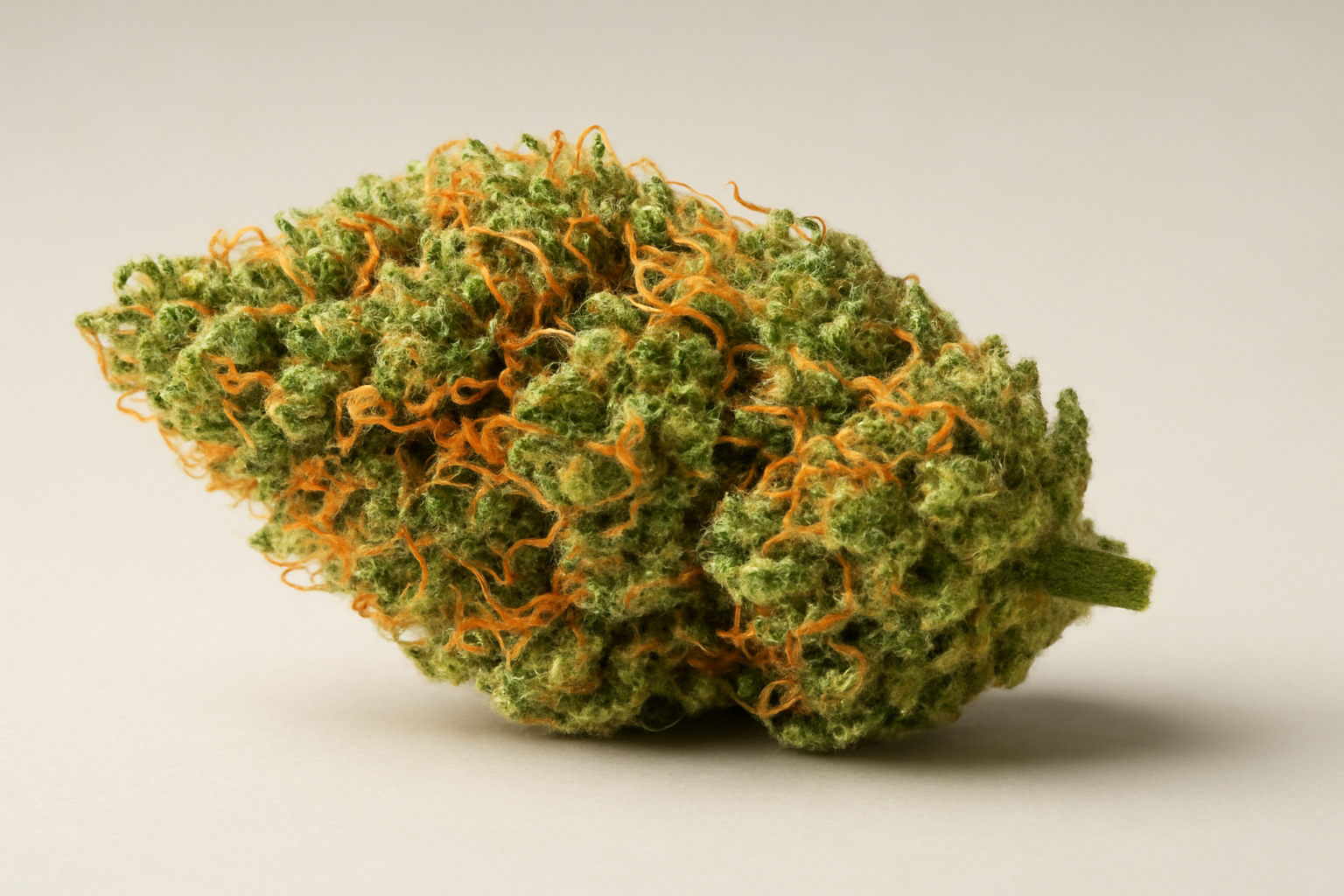
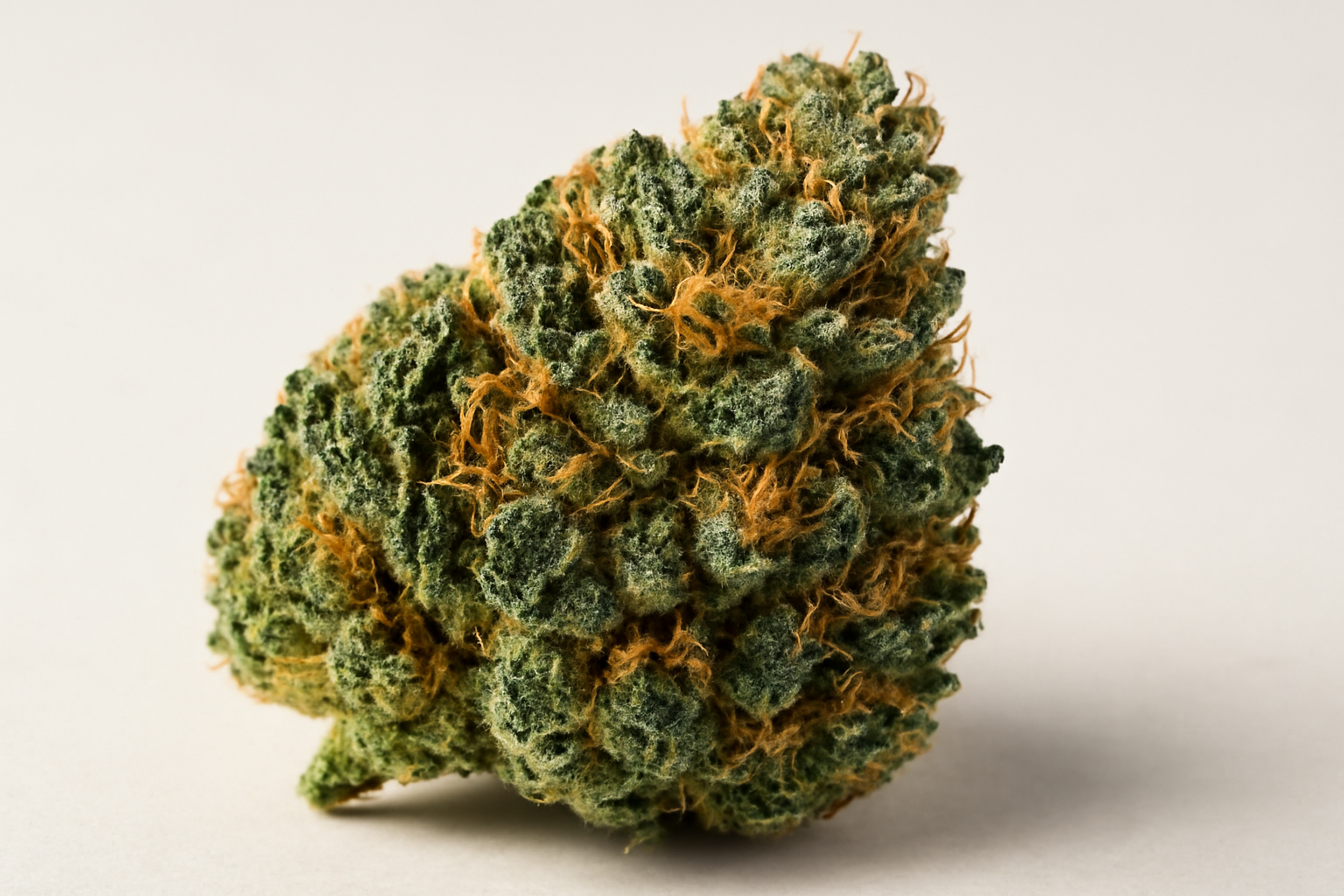
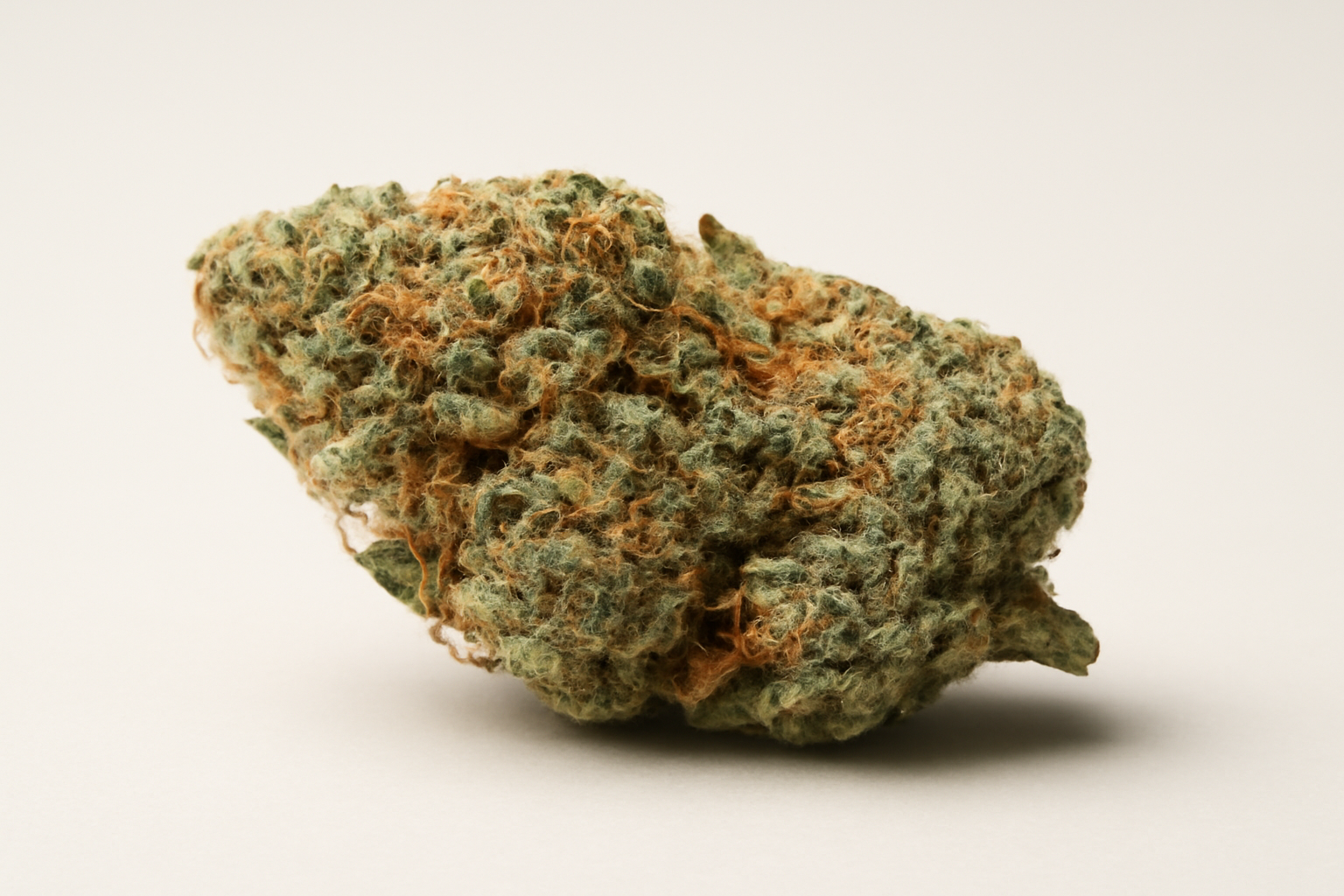
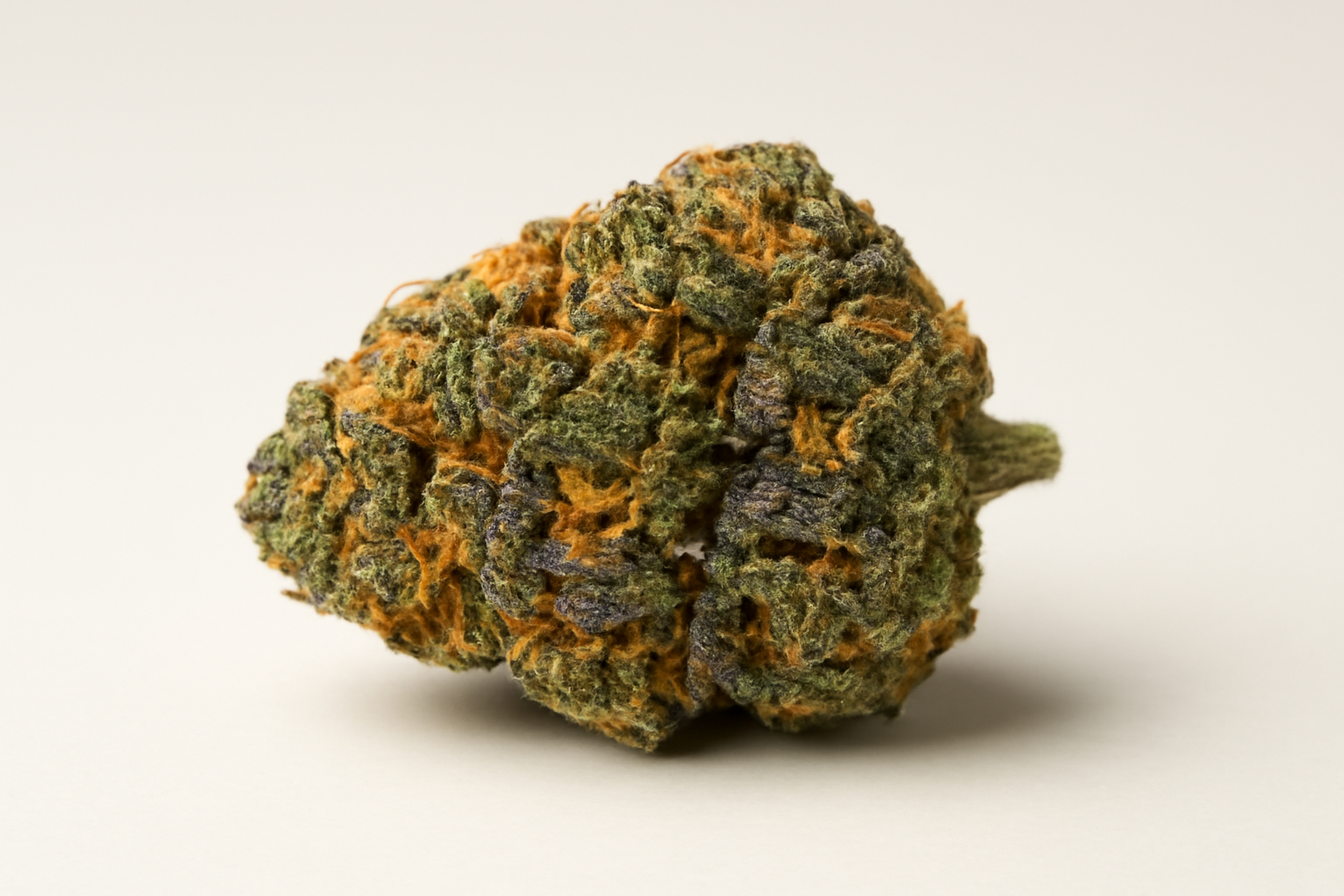
Lemon Tree typically forms dense, elongated buds with a chunky hybrid structure and a slightly tapered finish. Expect bright green flower accented by golden pistils and a heavy dusting of crystal trichomes that can give the surface a frosted look. Some phenotypes lean more lime green and airy, while others stack tighter and show stronger orange contrast at maturity.
Aroma & Flavor Profile
The aroma comes on fast with lemon peel, sour citrus, and a sharp fuel note that gives the strain its edge. Underneath that first impression, there is usually a skunky, earthy layer that keeps the profile from reading as one-dimensional. On the palate, Lemon Tree often opens with tart lemon and diesel, then settles into a herbal, slightly sweet finish.
- Bright lemon zest
- Diesel fuel
- Sweet citrus peel
- Earthy spice
Effects & Use-Cases (Reported)
Reported effects usually start with a quick lift in mood and a sense of mental clarity before easing into a steadier, functional high. Many users describe Lemon Tree as energizing without feeling racy, which makes it a natural choice for daytime sessions, creative projects, or social settings where a sharper headspace is preferred. The intensity is often moderate to strong, depending on the batch.
- Uplifting onset
- Clear-headed focus
- Creative momentum
- Moderately energizing
Cultivation Notes
This cultivar generally responds well to training and can develop a medium stretch in early flower, especially under stronger light. Its structure often benefits from pruning and airflow management to keep interior sites clean and reduce humidity pressure. Flowering usually finishes in about 8 to 9 weeks, with outdoor runs favoring warm, sunny conditions and a long enough season to let the citrus notes fully develop. Growers often describe it as moderately demanding rather than difficult, with phenotype variation worth watching in selection.
- Environment: Indoor / Outdoor
- Flowering Time: 8 – 9 weeks
- Growth Pattern: Medium stretch with branching that benefits from training and pruning
- Difficulty: Moderate
Genetic Lineage
Lemon Tree is generally documented as a cross of Sour Diesel and Lemon Skunk. Sour Diesel is associated with pungent fuel, sharper mental lift, and vigorous stretch, while Lemon Skunk is valued for loud citrus, skunky sweetness, and a brighter terpene profile. Together, they help explain the strain’s sharp lemon-diesel character and its energetic but not overwhelming effect style.
Frequently Asked Questions
What does Lemon Tree taste like?
Lemon Tree usually tastes like tart lemon peel with diesel and herbal skunk underneath. Some batches finish with a faint sweetness that softens the sharper notes.
Is Lemon Tree more uplifting or relaxing?
It is generally described as more uplifting and mentally active than heavy or sedating. Many people reach for it when they want clarity, creativity, or a brighter mood.
How long does Lemon Tree take to flower?
Most phenotypes finish in about 8 to 9 weeks. Outdoor timing depends on climate, but it tends to perform best in warm, sunny conditions.
What kind of grower is Lemon Tree suited for?
It suits growers who can manage moderate stretch, pruning, and airflow. The plant is not usually considered high maintenance, but it rewards attentive canopy control and steady environmental management.

Leave A Comment