
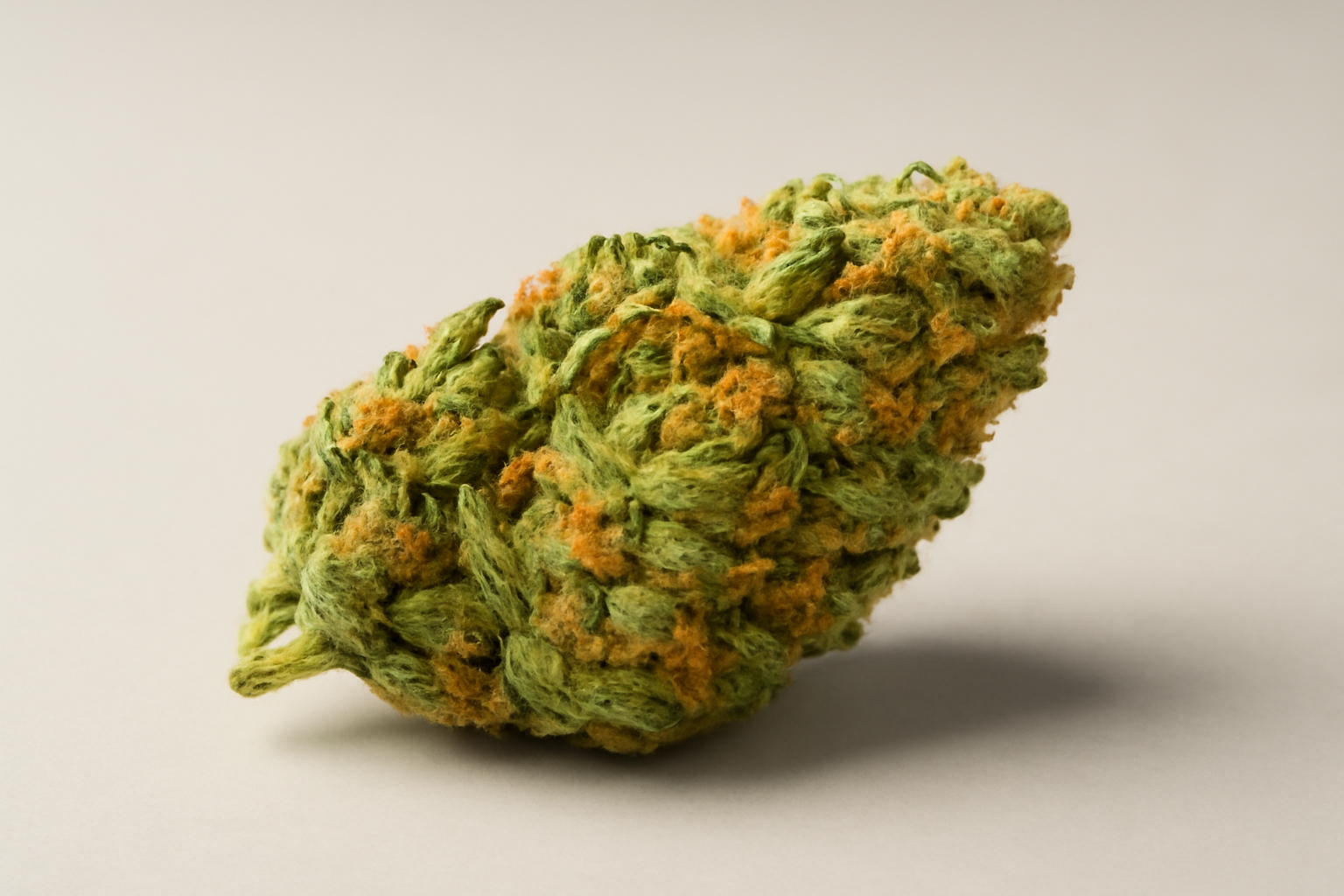
Tangerine Dream (Cannabis Strain)
Tangerine Dream leans into its Barney’s Farm heritage with a bright citrus profile that feels more zesty than sugary. The cross of G13, Neville’s A5 Haze, and Afghan gives it a layered identity: orange-forward on the nose, haze-driven in character, and finished with enough body from the Afghan side to keep the flower substantial.
In the jar, this cultivar often stands out for its tangerine peel aroma and its upbeat, clear-moving effect style. The growth pattern can show noticeable stretch and a flowering window that fits growers who are comfortable guiding a sativa-leaning hybrid through bloom without losing control of the canopy.
Tangerine Dream Strain Information
| Strain Type | Hybrid (Sativa-leaning) |
| Genetics | G13 x Neville’s A5 Haze x Afghan |
| THC Content | 18% – 22% |
| CBD Content | 0% – 1% |
| Original Breeder | Barney’s Farm |
| Flowering Time | 9 – 10 weeks |
Appearance
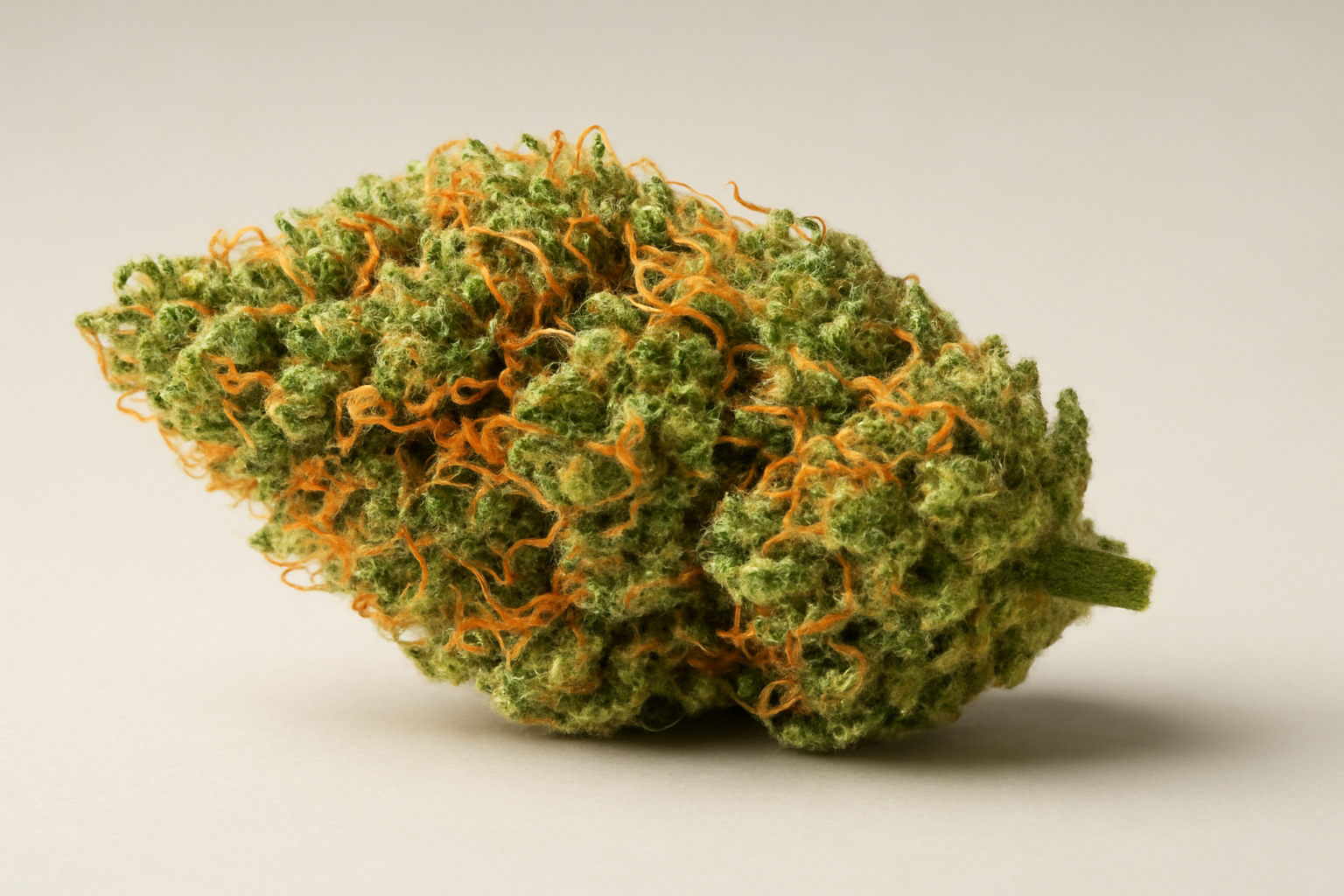
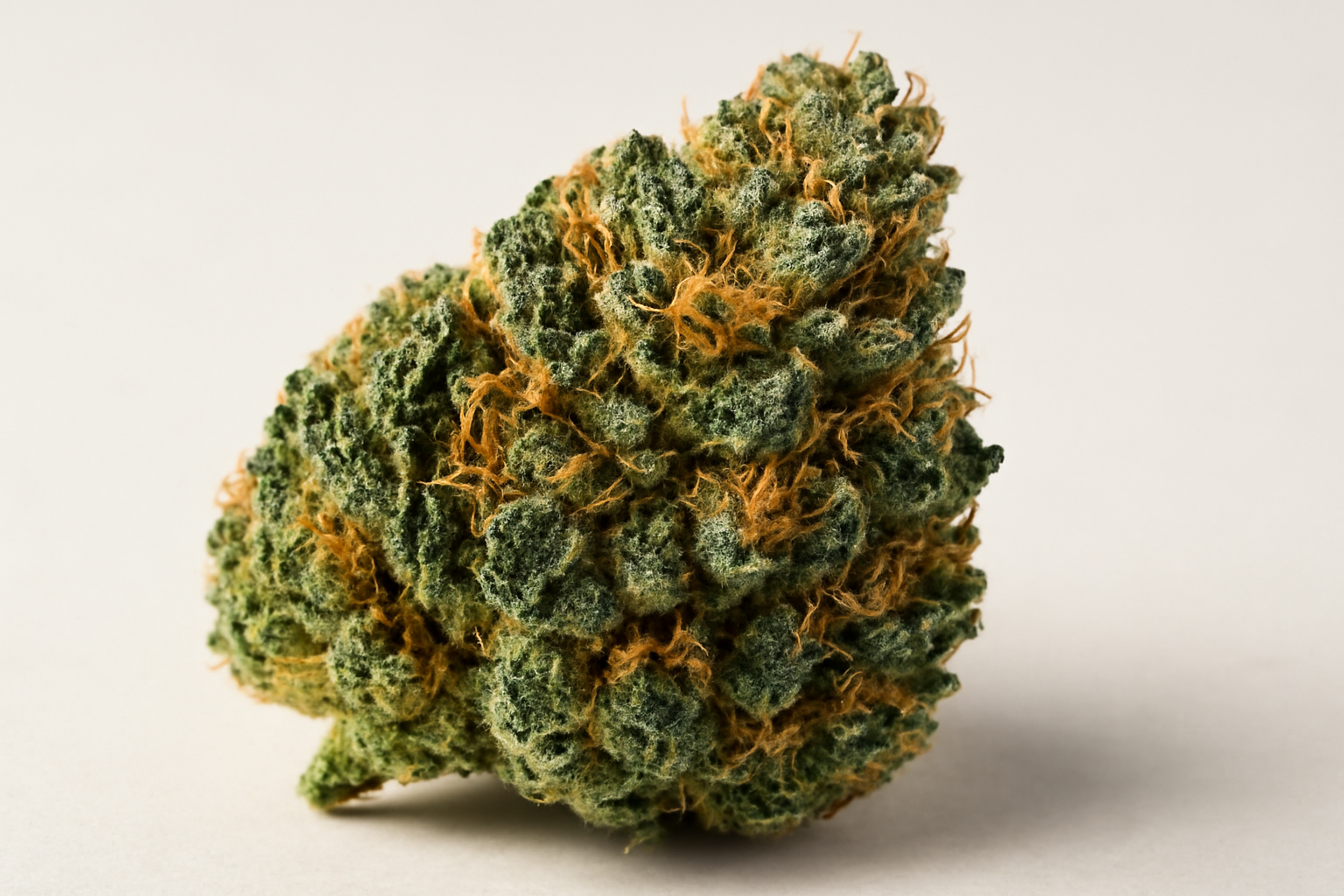
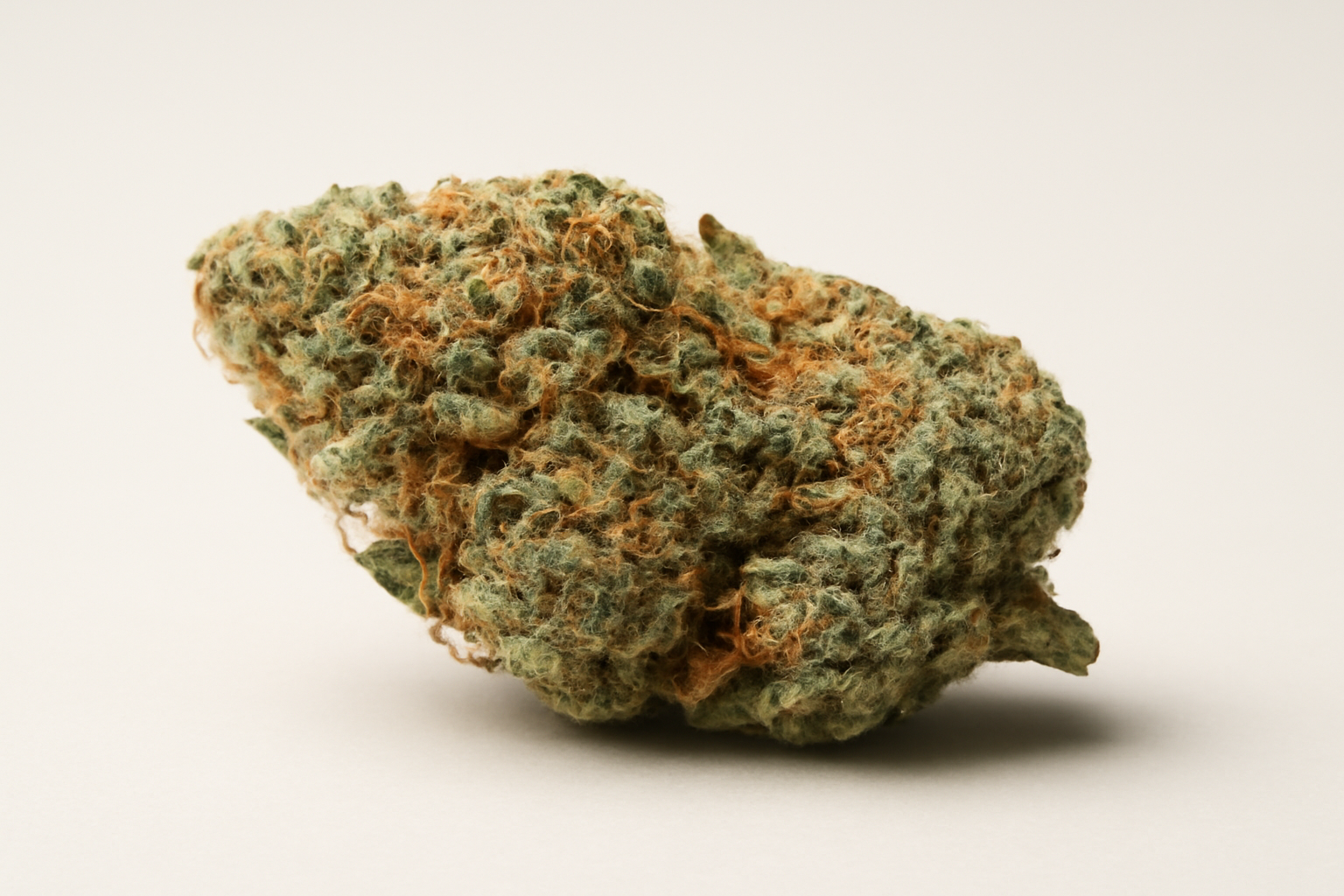
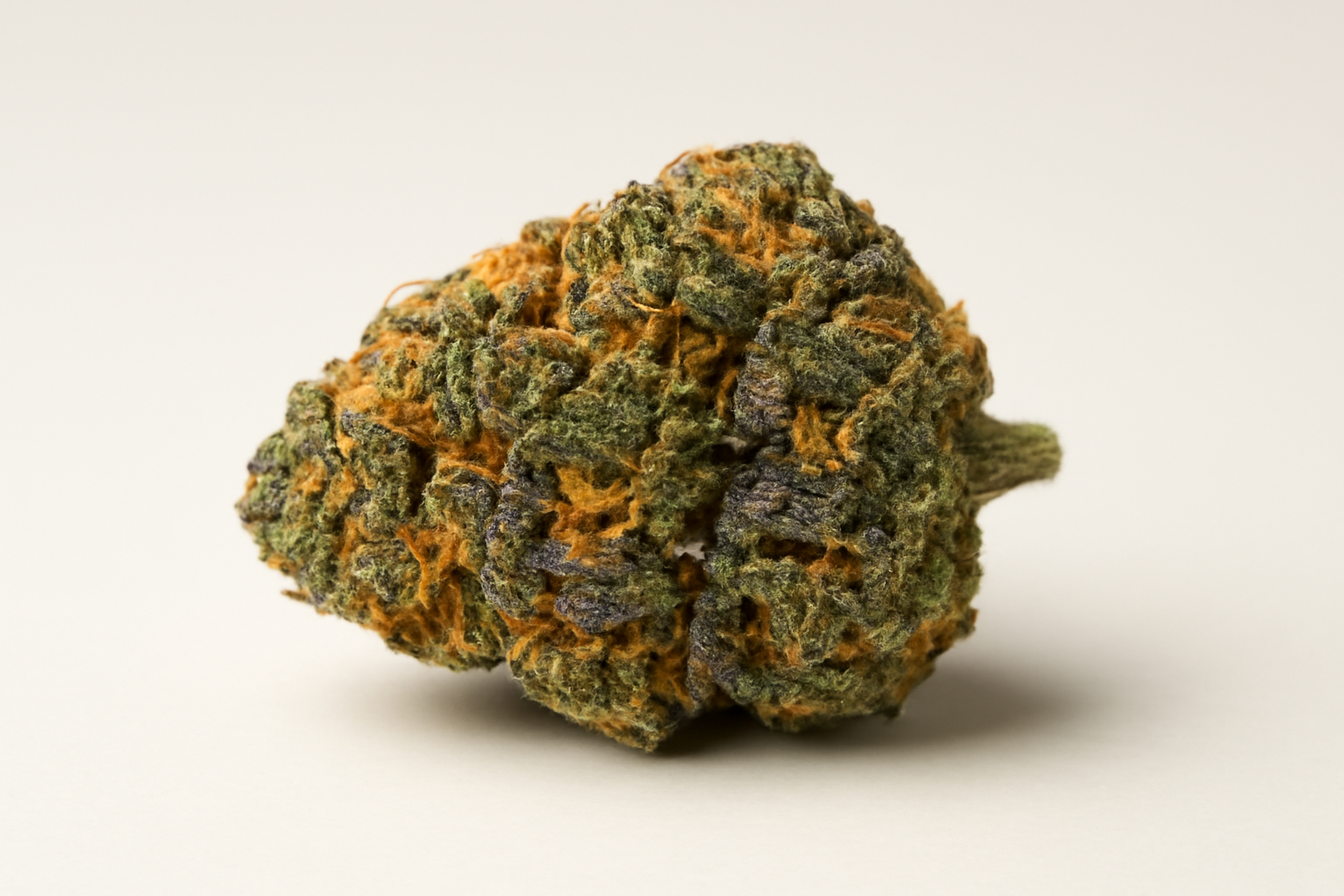
Tangerine Dream usually produces elongated buds with a slightly open, hybrid structure that reflects its haze influence. The flower is typically bright green, threaded with vivid orange pistils, and coated in a fine layer of trichomes that can make the surface look almost sugar-dusted. Depending on the phenotype, some cuts lean more spear-shaped and airy, while others develop denser colas with a heavier calyx stack.
Aroma & Flavor Profile
The aroma often opens with sharp tangerine peel and sweet citrus, then folds into herbal haze, pine, and a faint earthy spice. On the palate, the citrus character tends to come through as orange candy and zest, while the finish carries a herbal, slightly woody edge that keeps it from reading as simple fruit. The effect is a profile that feels bright and layered rather than purely sweet.
- Tangerine zest
- Sweet citrus
- Herbal haze
- Orange candy
- Spicy herbs
- Light pine
Effects & Use-Cases (Reported)
Reported effects often begin with a quick lift in mood and a more outgoing headspace, followed by a steady, clear form of relaxation that does not usually feel heavy at first. Many users describe it as a strain for daytime creativity, casual conversation, or a late-afternoon reset when they want energy without a sharp edge. As the experience develops, the Afghan influence can add a softer physical ease that rounds out the sativa tilt.
- Upbeat onset
- Clear-headed
- Creative focus
- Social and talkative
Cultivation Notes
This strain generally performs best with intentional canopy management, since the sativa side can push vertical growth early in flower. Topping and trellising are often useful for keeping light even across the tops, and airflow matters once the buds start to stack. With a 9 to 10 week flowering window, it rewards growers who can stay patient through a lively stretch phase and a resin-heavy finish.
- Environment: Indoor / Outdoor
- Flowering Time: 9 – 10 weeks
- Growth Pattern: Tall, moderately stretchy hybrid with spear-like colas
- Difficulty: Moderate
Genetic Lineage
Tangerine Dream is a three-way cross of G13, Neville’s A5 Haze, and Afghan. G13 is often associated with stout structure and a grounded finish, while Neville’s A5 Haze contributes the bright, expansive sativa energy and citrus-haze expression. Afghan is typically credited with tightening the bud structure, strengthening resin production, and helping the strain finish with more density than a pure haze line.
Frequently Asked Questions
What does Tangerine Dream taste like?
Its flavor is usually described as orange peel, tangerine candy, and herbal haze, with a piney finish that adds some sharpness.
Is Tangerine Dream more uplifting or relaxing?
It is generally reported as uplifting first, then gently relaxing as the experience settles in. The overall feel tends to stay clearer than heavy.
How long does Tangerine Dream take to flower?
Most listings place it around 9 to 10 weeks in bloom, depending on phenotype and grow conditions.
What kind of grower is Tangerine Dream best suited for?
It suits growers who can manage stretch and keep a canopy organized. The strain is usually manageable, but it responds better to attentive training than to a hands-off approach.

Leave A Comment