
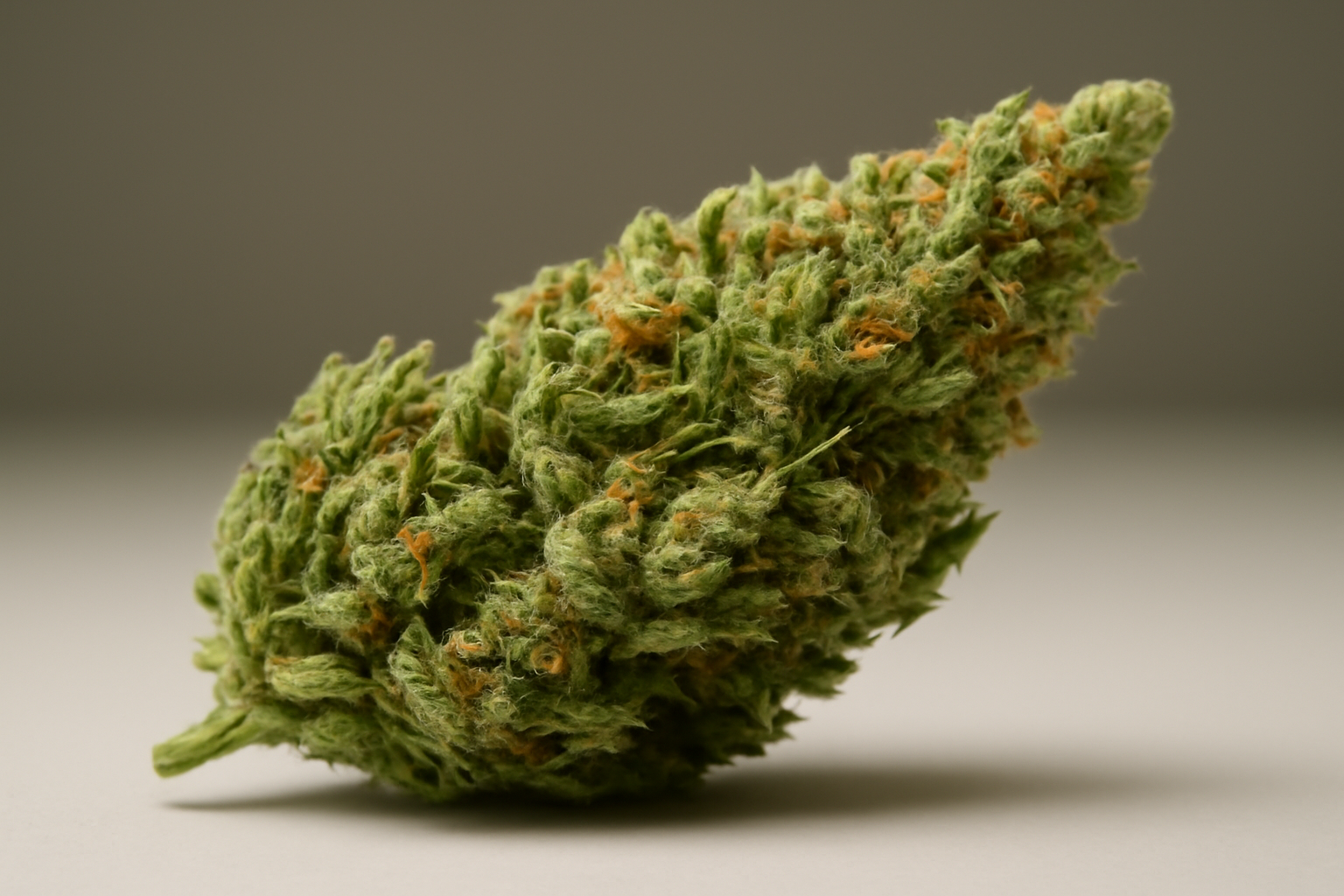
Durban Poison (Cannabis Strain)
Durban Poison is a South African landrace sativa that has earned a lasting place in cannabis history for its crisp, energetic profile and unmistakable spice-driven character. Its genetics lean old-world and direct, which shows up in the way the flower tends to stretch, sharpen, and stay true to a classic sativa silhouette.
What sets it apart is the way aroma, flavor, and effect all move in the same direction: bright, aromatic, and fast to the point. Notes of anise, pine, citrus zest, and herbal sweetness often define the experience, while the plant’s narrow buds and lively growth habit reflect its regional origin and breeder-preserved landrace identity.
Durban Poison Strain Information
| Strain Type | Sativa |
| Genetics | Pure South African landrace sativa |
| THC Content | 18% – 24% |
| CBD Content | 0% – 1% |
| Original Breeder | Not clearly documented |
| Flowering Time | 8 – 9 weeks |
Appearance
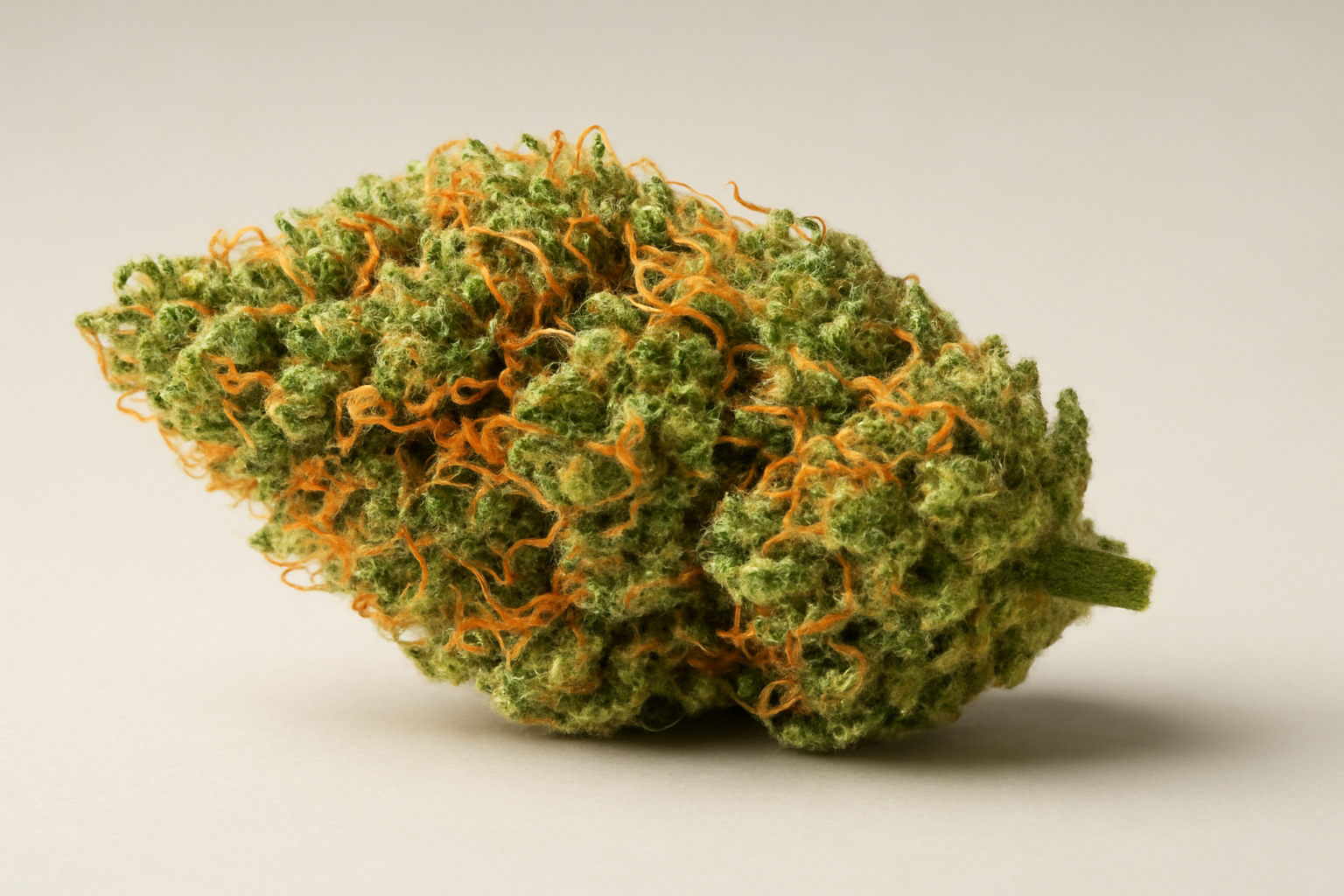
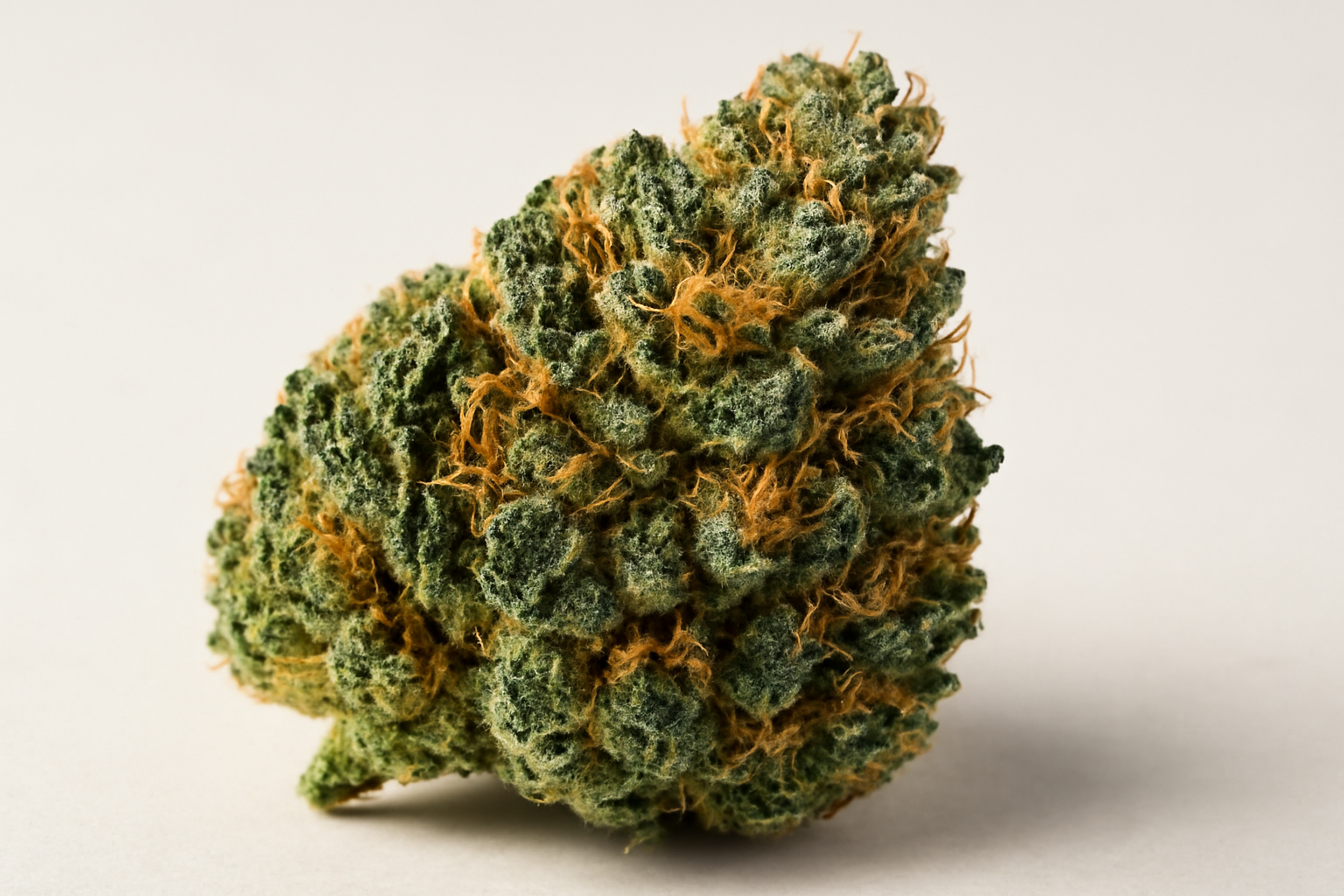
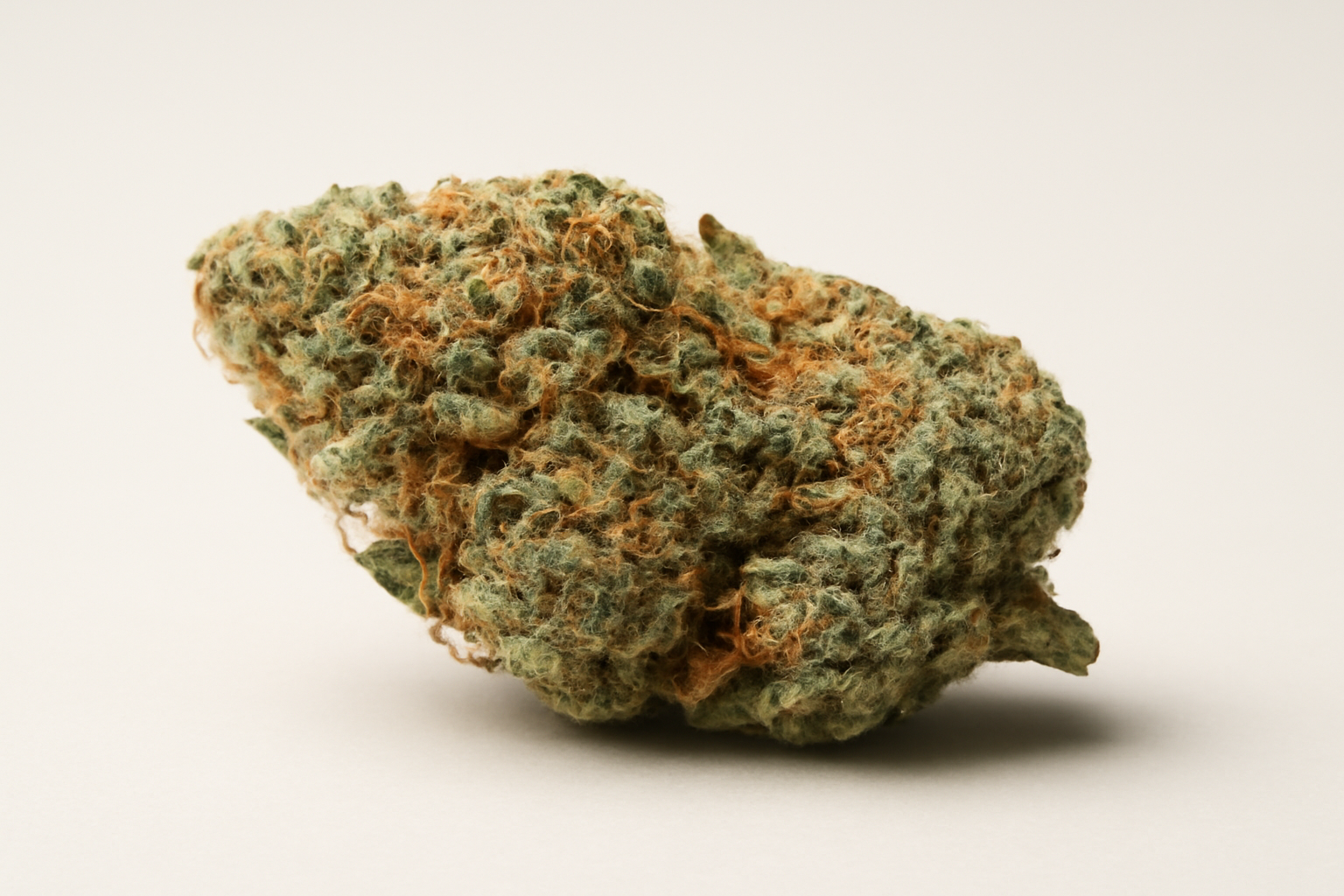
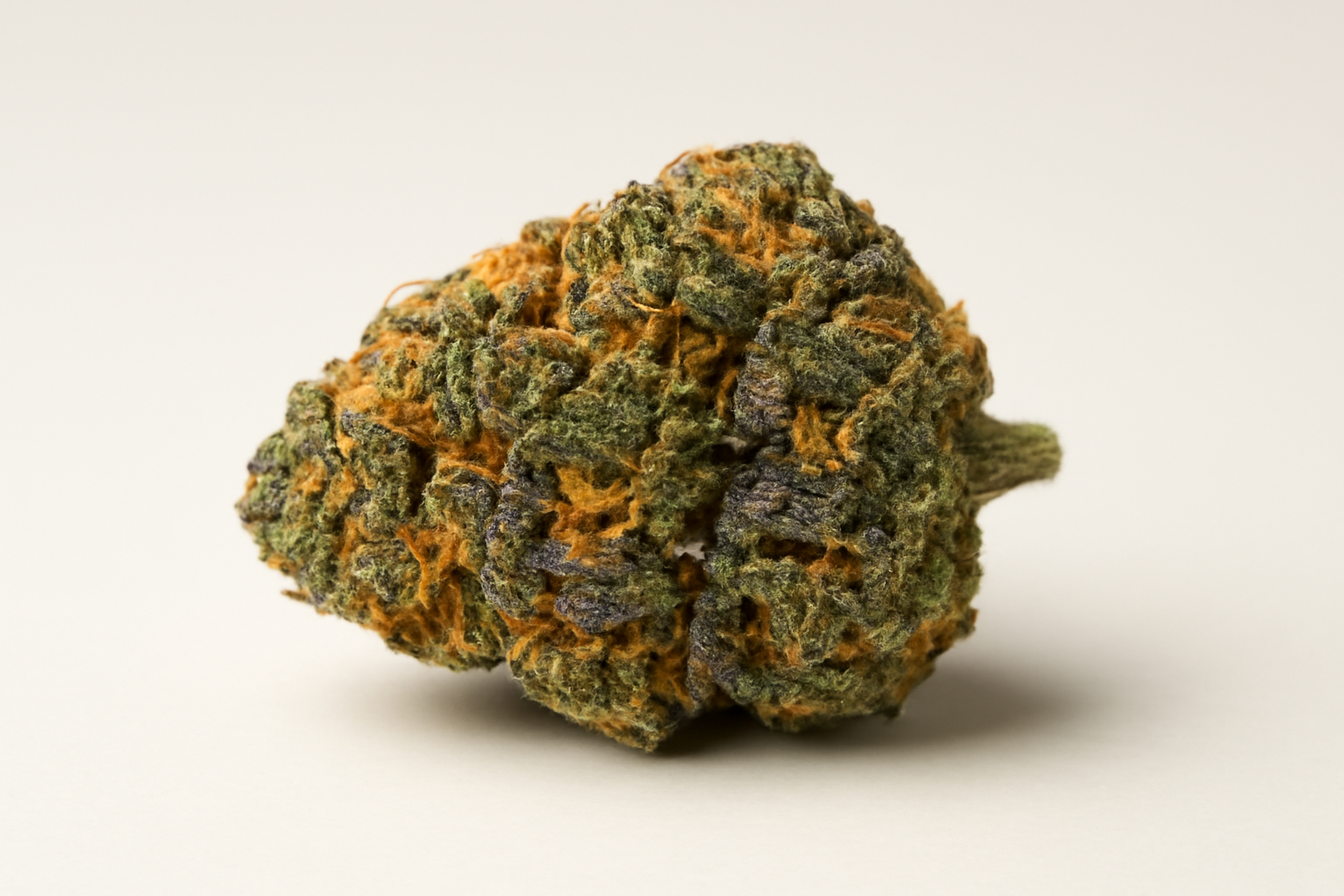
Durban Poison typically forms long, spear-shaped buds with a lighter structure than many modern hybrids. The flowers often show bright green tones, vivid orange pistils, and a generous coating of crystalline trichomes that gives the finish a frosty look. Some phenotypes stay airy and narrow, while others stack a little denser but still preserve the strain’s classic sativa silhouette.
Aroma & Flavor Profile
The aromatic profile usually opens with sharp anise and sweet spice, then settles into pine, citrus peel, and earthy herbal notes. On the palate, Durban Poison often comes across as sweet licorice up front with lemon rind, fennel, and a dry, peppery finish that lingers after the exhale.
- Anise and sweet licorice
- Pine and herbal spice
- Lemon peel brightness
- Earthy, peppered finish
Effects & Use-Cases (Reported)
Reported effects usually arrive quickly and feel clear, alert, and upward rather than heavy. Many users describe Durban Poison as a daytime strain that suits active routines, creative work, social settings, or situations where a brighter headspace is preferred. The experience is often described as energetic without feeling overly foggy, though potency can land firmly at the higher end.
- Fast-acting cerebral lift
- Uplifting daytime character
- Focus-friendly and task-oriented
- Social and creative use
Cultivation Notes
This variety usually grows with pronounced vertical stretch and strong apical dominance, so canopy management matters early. It responds well to topping, trellising, and other training methods that help control height and improve light penetration. Flowering is relatively quick for a landrace-style sativa, but plants may need good airflow and room to breathe as buds mature. Outdoor growers in warm, dry climates often have the easiest time finishing it cleanly.
- Environment: Indoor / Outdoor
- Flowering Time: 8 – 9 weeks
- Growth Pattern: Tall, narrow sativa with notable stretch
- Difficulty: Moderate
Genetic Lineage
Durban Poison is generally documented as a South African landrace sativa, maintained and selected from Durban-area genetics. Rather than being a modern cross, it reflects a traditional regional line valued for its energetic character, narrow-leaf structure, and dependable flowering behavior. That landrace background is a major reason the strain has remained so influential in breeding and in classic sativa conversations.
Frequently Asked Questions
Is Durban Poison a pure sativa?
It is generally regarded as a pure sativa landrace, though exact preservation can vary by source and cut. Its growth pattern and effect profile strongly reflect that heritage.
What does Durban Poison taste like?
Most descriptions center on anise, sweet licorice, pine, citrus peel, and a spicy herbal finish. The flavor can feel sharper and more savory than dessert-style modern hybrids.
How long does Durban Poison take to flower?
Flowering time is commonly listed at 8 to 9 weeks, which is relatively efficient for a sativa-leaning plant. Outdoor timing depends on climate and finishing conditions.
What kind of grower is Durban Poison best for?
It suits growers who can manage height and give the plant space, airflow, and strong light penetration. Training helps a great deal, especially in indoor rooms with limited vertical clearance.

Leave A Comment